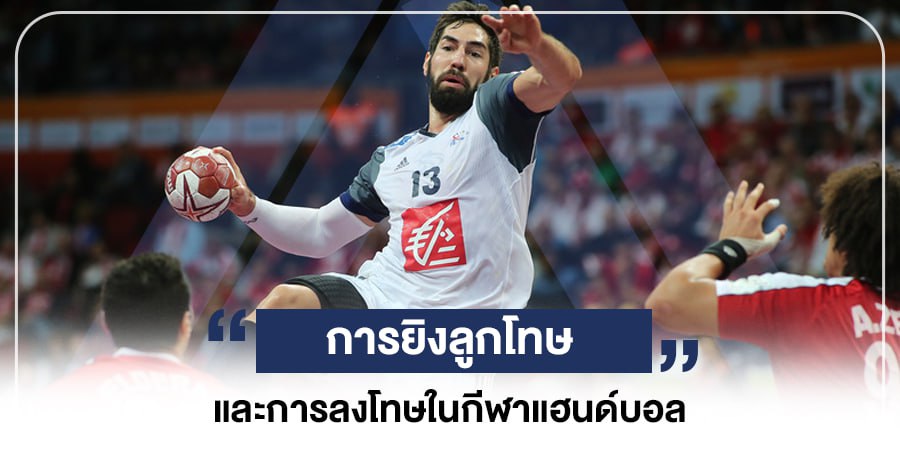
ในการแข่งขันกีฬาฟุตบอลนั้นเมื่อมีการทำผิดกติกาขึ้นในเขตโทษจึงจะมีการยิงลูกโทษเกิดขึ้นได้ แต่ในวันนี้เราจะมาอธิบายถึงการยิงลูกโทษในกีฬาแฮนด์บอล ว่ามีลักษณะอย่างไรและจะมีการยิงลูกโทษเกิดขึ้นเวลาใดให้เพื่อนๆที่ยังไม่เข้าใจได้ลองศึกษาจากบทความนี้กัน
การยิงลูกโทษในกีฬาแฮนด์บอลนั้นจะทำเมื่อเกิดการทำให้เสียโอกาสทำประตูอย่างชัดเจน ทั่วทุกส่วนของสนามโดยผู้เล่นหรือเจ้าหน้าที่.ในทีมของคู่แข่ง หรืออาจจะเป็นมีสัญญาณนกหวีดที่ไม่ได้รับอนุญาตเข้ามาก่อกวนขณะกำลังได้ประตู หรือมีบางอย่างที่ไม่เกี่ยวข้องเข้าไปในสนามแล้วทำให้เสียโอกาสในการทำประตู และในกรณีต่างๆจะมีดังนี้
- ถ้าผู้เล่นฝ่ายรุกสามารถควบคุมบอลและร่างกายได้หลังจากถูกทำผิดโดยผู้เล่นของฝ่ายตรงข้ามจะไม่ถือว่าเป็นลูกโทษ ยกเว้นแต่ฝ่ายรุกจะล้มหรือเสียโอกาสได้ประตูถึงจะเป็นลูกโทษ
- หลังจากมีการให้สัญญาณว่าเป็นลูกโทษต้องหยุดเวลาทุกครั้ง
- ขณะที่ยิงลูกโทษผู้เล่นฝ่ายยิงลูกโทษจะไม่สามารถถูกบอลได้จนกว่าบอลจะสัมผัสกับประตูหรือฝ่ายตรงข้ามก่อน
- ผู้ยิงลูกโทษห้ามข้ามเส้น 7 เมตรก่อนที่บอลหลุดจากมือ
- ขณะทำการยิงลูกโทษผู้เล่นคนอื่นต้องอยู่นอกเขตส่งลูกกินเปล่าจนกว่าบอลจะหลุดจากมือคนยิง
- ไม่อนุญาตให้มีการถ่วงเวลา
ในการแข่งขันนั้นเมื่อมีผู้เล่นหรือผู้ใดที่เกี่ยวข้องทำผิดกติกาก็จำเป็นต้องมีการลงโทษเพื่อความเท่าเทียมแต่จะมีข้อกำหนดในการลงโทษอย่างไรนั้นก็ขึ้นอยู่กับแต่ละกีฬา แต่ในวันนี้เรายกกีฬาแฮนด์บอลมาทำเป็นบทความให้เพื่อนๆได้ลองอ่านกัน
การเตือน จะทำเมื่อเกิดการทำผิดเกี่ยวกับการเข้าเล่นกับฝ่ายตรงข้าม หรือจะขณะทำการส่ง และการทำผิดจากการกระทำที่ไม่มีน้ำใจนักกีฬาโดยผู้เล่นหรือเจ้าหน้าที่ประจำทีม โดยในขณะมีการเตือนนั้นผู้ตัดสินต้องแสดงการทำผิดของผู้เล่นหรือเจ้าหน้าที่ให้ผู้บันทึกและผู้จับเวลาได้ทราบโดยแสดงใบเหลือง มีข้อสังเกตคือ ใบเหลืองจะมีขนาด 9 x 12 ซม. นักกีฬาแต่ละคนจะได้รับการเตือนไม่เกินคนละ 1 ครั้ง และในหนึ่งทีมจะไม่เกิน 3 ครั้ง ไม่ควรมีการเตือนอีกสำหรับผู้เล่นที่ถูกสั่งพัก 2 นาทีและทีมเจ้าหน้าที่จะถูกเตือนได้ไม่เกิน 1 ครั้ง
การสั่งพัก 2 นาที กระทำเมื่อมีการเปลี่ยนตัวไม่ถูกต้องหรือเข้าสนามโดยผิดกติกา ทำผิดซ้ำจากการเข้าเล่นกับฝ่ายตรงข้าม การเล่นที่รุนแรง การไม่มีน้ำใจนักกีฬาหลายครั้ง ไม่วางลุกบอลทันทีที่มีการตัดสินให้ฝ่ายตรงข้ามได้เล่น ทำผิดกติกาอย่างอื่นซ้ำหลายครั้ง การสั่งพักสามารถทำได้โดยไม่ต้องมีการเตือน เมื่อทำการสั่งพักนั้นผู้ตัดสินจะต้องแสดงการอย่างชัดเจนและแจ้งให้ผู้จับเวลา ผู้บันทึกได้ทราบ โดยปกติการสั่งพักแต่ละครั้งจะมีเวลา 2 นาที แต่ถ้าเป็นครั้งที่ 3 แล้วจะถูกตัดสิทธิจากการแข่งขัน
เป็นอย่างไรกันบ้างสำหรับการลงโทษในกีฬาแฮนด์บอล ที่มีการสั่งพักอาจมีขึ้นเพื่อให้นักกีฬาออกมานั่งสงบสติอารมณ์ให้ใจเย็นก่อนกลับเข้าไปเล่นกีฬาต่อนั่นเอง